
Fecha:
noviembre 25, 2026
 Uncategorized
The 4 Best Lenders for Loans for the Unemployed with Bad Credit in 2026 Last updated: 2026-11-25 Watching your income vanish is a heavy weight to carry. When…

The 4 Best Lenders for Loans for the Unemployed with Bad Credit in 2026
Last updated: 2026-11-25
Watching your income vanish is a heavy weight to carry. When the job hunt drags on longer than expected, the silence from a bank account can feel deafening. Many people spend their days staring at screens, searching for any way to keep the lights on without a steady paycheck.
The psychological toll of financial instability often mirrors the physical stress of the situation. It is a constant, low-level panic that can cloud your judgment when you are in the middle of a crisis. Decisions made under this kind of pressure often lead to more trouble down the road.
Searching for credit when your score is in the gutter feels like walking through waist-deep mud. Traditional lenders often slam the door shut before you even finish your application. Large national banks rely on automated underwriting systems that view FICO scores as the only metric for reliability.
If late utility payments or high credit utilization lowered your score during unemployment, these algorithms will automatically trigger a rejection. This list identifies options that look past a bruised credit score to focus on immediate, practical relief for those in transition.
- JetzLoan
- Loans Anywhere
- Cash Store
- Federal Employee Loans
How These Lenders Were Evaluated for Emergency Funding
The selection process focused on speed and accessibility. When someone is unemployed, time is the most precious commodity. A lender that takes a week to decide is often useless for someone facing an immediate utility shut-off or an impending rent deadline.
In many cases, the decision window is the difference between keeping your housing and facing an eviction notice. Because of this, speed of funding was a primary metric for our evaluation. We needed to know who could actually get money into an account when it matters most.
Accessibility was the second pillar. We looked for providers that do not require a hard credit pull, which can further damage a struggling score. A hard pull occurs when a lender accesses your credit report, leaving a permanent mark that can lower your score by several points.
For someone already fighting to maintain a decent rating, this additional damage is unacceptable. The goal was to find lenders that offer a path to liquidity without adding more scars to a delicate financial situation. We wanted options that prioritize getting you through the month.
Lastly, we assessed the usability of the funds. We prioritized lenders that provide liquidity through methods accessible to those with limited traditional banking access. This includes people whose bank accounts are currently frozen or restricted due to overdrafts or garnishments.
We sought out providers that understand the non-linear nature of modern employment. Life doesn’t always follow a neat, predictable path, and your lending options shouldn’t require you to have a perfect, uninterrupted work history to get help.
Quick Comparison of Top-Rated Relief Options
| Lender Name | Loan Amount Range | Funding Speed | Credit Check Requirement |
|---|---|---|---|
| JetzLoan | $500 – $35,000 | As little as 24 hours | No hard credit pull |
| Loans Anywhere | $200 – $1,525 | See site | See site |
| Cash Store | See site | See site | See site |
| Federal Employee Loans | $500 – $3,000 | Same-day funding | No FICO credit check |
Understanding the Cost of Emergency Credit
Before diving into specific lenders, it is critical to understand the mathematical reality of emergency borrowing. When you are not using a traditional bank, you are often moving into the realm of alternative finance. These lenders charge higher interest rates than a standard mortgage or auto loan.
They are absorbing much higher risks by lending to people with low credit. Essentially, they are charging you a premium for the speed and the lack of a credit requirement. You are paying for the convenience of getting cash when you need it most.
To evaluate the true cost of a loan, you must calculate the APR (Annual Percentage Rate) rather than just looking at the monthly payment. For example, a $500 loan that you pay back over three months might seem manageable at $20 a week. But if the total interest paid equals $150, you have effectively paid 30% of the principal just to access the money.
This is a steep price, but for many, it is a necessary trade-off. It might be the only way to avoid more severe consequences like a disconnected power line or a car repossession that prevents you from attending job interviews.
Top Lenders for Unemployed Individuals with Poor Credit
1. JetzLoan
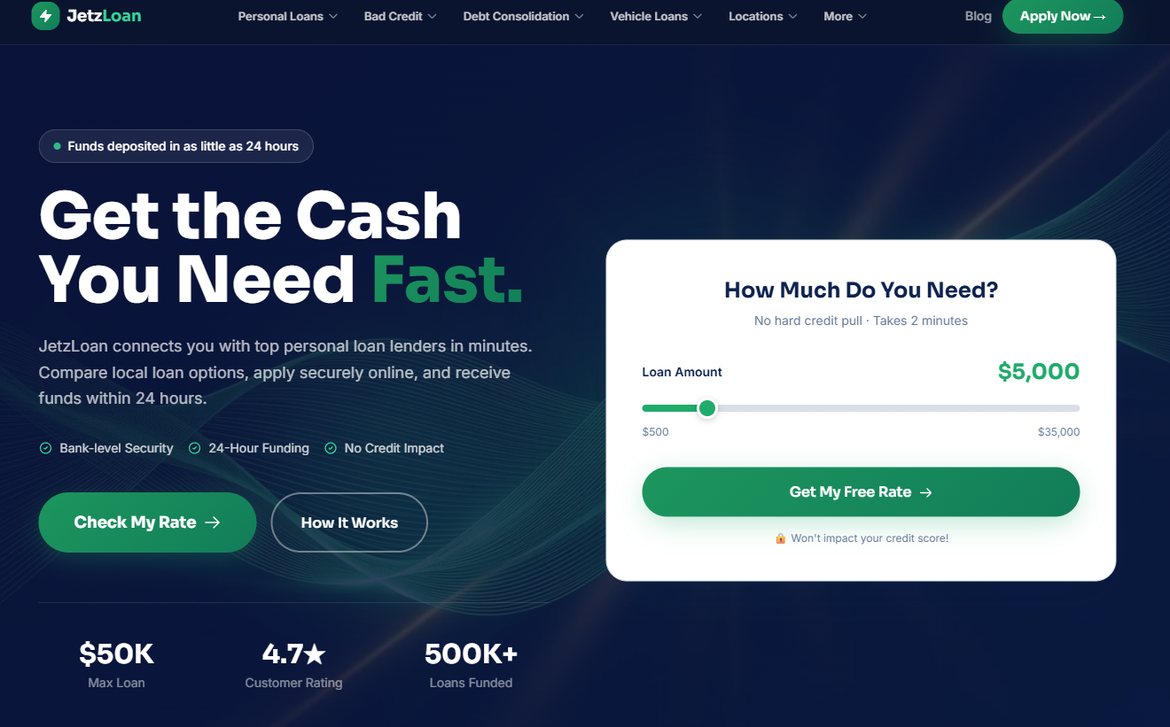
JetzLoan connects borrowers to a network of various personal loan lenders. It is designed for speed, allowing users to fill out a simple form that takes roughly two minutes. This efficiency is vital when you need to compare multiple local options without jumping through endless hoops.
The interface is streamlined to minimize the cognitive load on someone who is already stressed by a job search or financial crisis. You don’t want to be fighting with a complicated website when you are already dealing with enough stress in your daily life.
This service is particularly useful for those needing larger sums for debt consolidation or vehicle repairs. When you are unemployed, your car is often your most critical asset for getting to interviews or maintaining a commute. A $2,000 repair bill can be a catastrophic event.
JetzLoan’s higher ceiling allows for these significant, life-altering expenses to be addressed. With a maximum loan amount reaching $35,000, it covers more than just basic survival needs. It is a viable option for anyone needing significant capital on a tight timeline.
Pros:
- No hard credit pull means no impact on your score during the rate check.
- Rapid funding that can land in your account in as little as 24 hours.
- High customer satisfaction with a 4.7-star rating from over 500,000 loans.
Cons:
- The platform connects you to lenders rather than being the direct source of funds.
2. Loans Anywhere
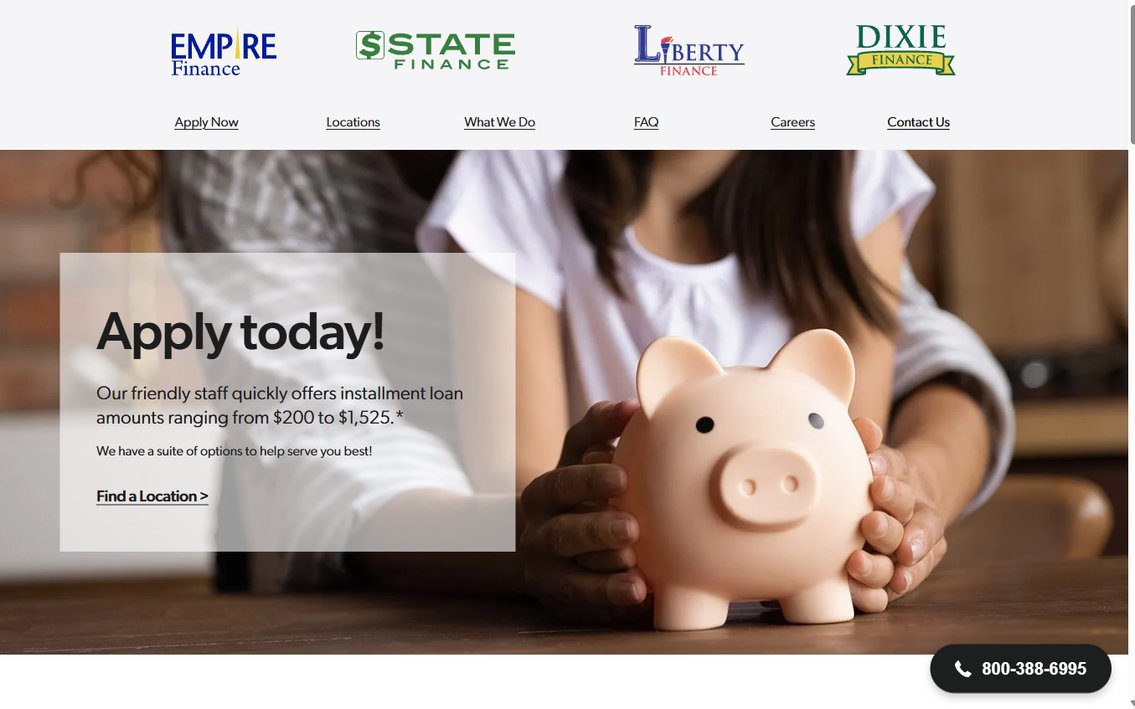
Loans Anywhere specializes in smaller, installment-based loans that serve as a quick fix for immediate expenses. Their offerings are modest, typically ranging from $200 up to $1,525. This makes them a suitable choice for someone needing to cover a specific, smaller bill.
Think of things like a grocery bill, a utility connection fee, or a prescription medication. They target the micro-emergency market effectively. These aren’t meant for long-term debt, but they can bridge a gap for a few weeks.
They maintain a strong physical presence with various locations, which can be comforting for those who prefer human interaction. For many people in a financial crisis, the digital-only interface of modern fintech can feel cold or even suspicious. Being able to walk into a branch can provide a sense of clarity.
While the amounts are lower, the accessibility of their installment options provides a structured way to manage small, unexpected financial gaps. It is a way to handle life’s little hiccups without overextending yourself.
Pros:
- Provides installment loan options which can be easier to manage than lump sums.
- Local presence with multiple branches for face-to-face assistance.
- Lower loan amounts make them more accessible for very small emergencies.
Cons:
- Loan amounts are significantly lower than other competitors.
3. Cash Store
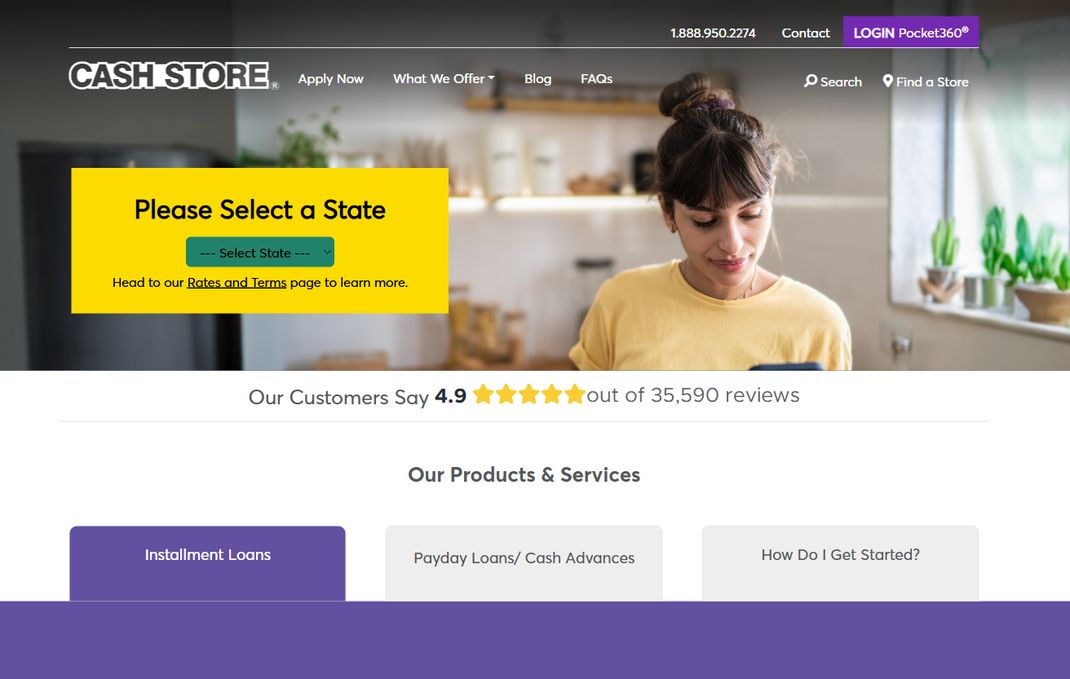
Cash Store positions itself as a viable alternative to traditional payday loans. They focus on installment loans, which are generally designed to be more manageable than the predatory cycles often associated with short-term cash advances. In a classic payday loan, you often owe the full amount plus massive fees in a single lump sum.
This creates a debt trap that is very hard to escape. Cash Store’s installment model spreads the repayment, which is a crucial distinction for those trying to rebuild their lives. It gives you a little more breathing room each month.
The company operates across several states including Texas, Idaho, and Wisconsin. Because they operate in various regulatory environments, their terms may vary significantly depending on your zip code. It is a specialized tool for a very specific, often difficult, financial moment.
Pros:
- Offers an alternative to high-risk payday loans via installment structures.
- High customer sentiment with a 4.9-star rating from over 35,000 reviews.
- Widespread availability across many different US states.
Cons:
- The service is highly dependent on your specific state’s regulations.
4. Federal Employee Loans
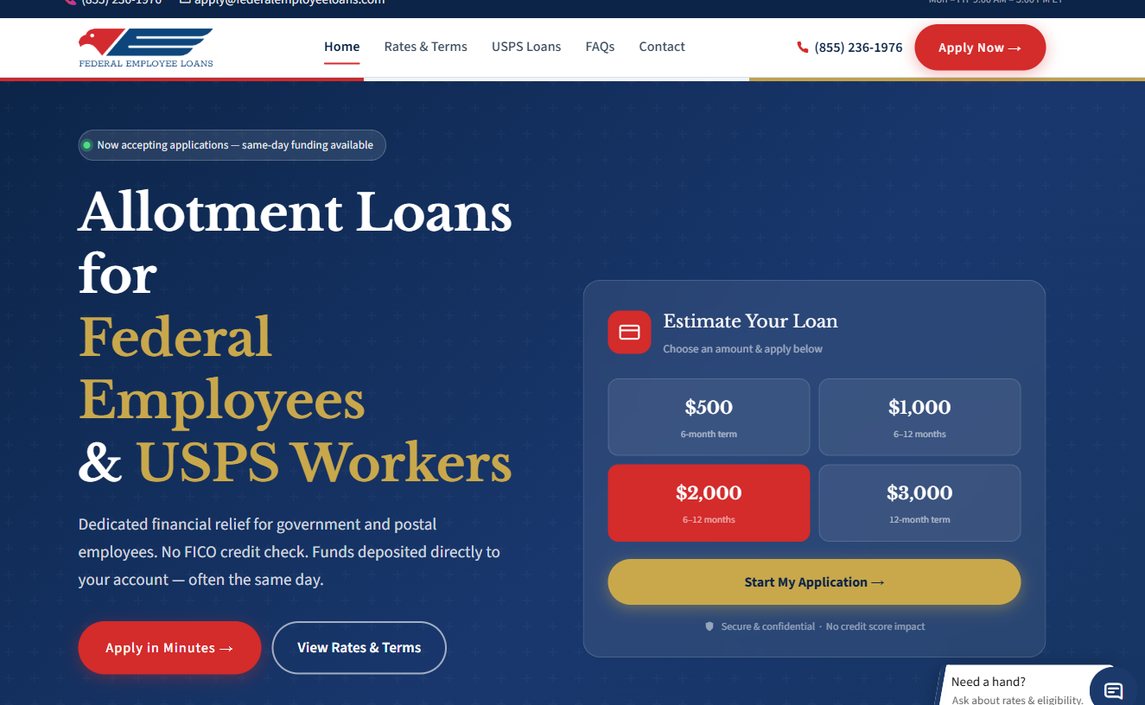
This lender serves a very specific niche: federal and USPS workers. For these individuals, the ability to use an allotment for repayment provides a level of security that other lenders might not recognize. An allotment is a portion of your paycheck that is automatically sent to a lender.
For a lender, this is a form of collateral that bypasses much of the risk associated with an unemployed individual’s lack of credit history. They are essentially betting on the stability of the US Government rather than the individual’s current credit score.
Because they focus on payroll-based repayment, they do not require a FICO credit check. This is a massive advantage for a federal worker who may be facing a temporary hardship, such as medical leave or a gap between contracts. It acknowledges the reality of your situation.
Pros:
- No FICO credit check is required to apply.
- Same-day funding is often available for qualified applicants.
- Over 30 years of experience serving the federal worker community.
Cons:
- Strictly limited to federal and USPS employees; others are ineligible.
Navigating Financial Hardship and Choosing a Lender
When you are staring at a pile of bills and a zero-balance bank account, the temptation to grab the first offer you see is overwhelming. However, not all credit is created equal. It is vital to look at the total cost of the loan, not just the monthly payment or the speed of the deposit.
A low monthly payment can be deceptive if the loan term is excessively long. You will ultimately pay far more in interest than you would with a higher monthly payment on a shorter term. Always look at the big picture before you sign anything.
One common mistake is failing to read the fine print regarding repayment terms. Some lenders might offer quick cash but require a repayment structure that is nearly impossible to maintain once you find a new job. Look for clauses regarding “prepayment penalties.” If you find a job next week and want to pay the loan off immediately, some lenders will charge you a fee for doing so.
Another trap is the “quick fix” that leads to a long-term cycle of debt. If you are using a loan to cover a recurring monthly expense, you are essentially digging a hole that will only get deeper. If you use a $500 loan to pay a $500 rent bill, you haven’t solved your problem; you have simply pushed it into next month.
Use these funds for one-time emergencies like car repairs or medical bills that prevent you from working or attending interviews. Using them for daily living expenses is a recipe for a much larger disaster down the road.
Steps to Prepare for an Emergency Loan Application
To increase your chances of approval and ensure the fastest possible funding, you should have your documentation organized before you even click “apply.” Many applicants fail because they cannot provide the necessary proof of identity or residency on short notice. Follow these steps to streamline the process:
Verify your identity: Have a valid, unexpired government-issued ID (Driver’s License or Passport) ready. Many digital lenders use automated facial recognition to verify your ID against your selfie.
Gather proof of residence: Even if they don’t require a hard credit pull, they may need to verify your address to comply with state laws. Have a recent utility bill or lease agreement in your digital files.
Confirm your banking details: Ensure you have your routing and account numbers for the bank account where you want the funds deposited. Double-check that the account is active and capable of receiving ACH transfers.
Calculate your maximum repayment: Before applying, look at your bank statements from the last 60 days. Determine the absolute maximum monthly amount you can pay back without sacrificing food or medicine. Do not rely on “hope” for future income; use your current, most conservative estimates.
Finally, remember that your credit score is a living thing. Even if a lender does not perform a hard pull, the debt you take on will eventually appear on your report. This is a standard part of the credit ecosystem. Manage these loans with extreme care to ensure that this temporary bridge leads you to a more stable financial shore, rather than a deeper ocean of debt.