
Fecha:
noviembre 25, 2026
 Uncategorized
The 5 Best Lenders for First Time Personal Loans with No Credit History in 2026 Last updated: 2026-11-25 Walking into a bank to ask for a loan when…

The 5 Best Lenders for First Time Personal Loans with No Credit History in 2026
Last updated: 2026-11-25
Walking into a bank to ask for a loan when you have no credit history feels like trying to navigate a dense fog without a compass. It is a frustrating “catch-22.” You need credit to prove you are reliable, but you can’t get credit because you haven’t had the chance to prove it yet. This gap leaves many people trapped, circling between high-interest debt and constant loan denials.
When you have no financial history, you have no proof. Without that proof, accessing the very tools needed to build a reputation becomes nearly impossible. This systemic wall often pushes people toward predatory lenders. These companies offer quick cash, but the cost of that speed can take years to pay back, leaving borrowers in a hole they can’t climb out of.
This list highlights lenders that act as a bridge for those starting from zero. We shifted our focus away from traditional scores to look at accessibility and speed. We wanted to see how these institutions treat the “thin file” borrower. These are people with a valid Social Security number and steady income, but who lack the deep data points that big-box commercial banks demand.
- FastLendGo
- Commerce Bank
- Michigan Schools and Colleges Credit Union
- First Tech Federal Credit Union
- CreditNinja
How These Lenders Were Evaluated
We focused on how easily a newcomer can actually secure funds. Getting a “yes” is only half the battle. The real goal is getting a “yes” that doesn’t come with predatory interest rates or repayment terms that seem impossible to meet. We looked for lenders providing specific paths for those with limited history, checking if they use alternative data like rent history or utility payments.
Our criteria included the speed of the application and the variety of loan amounts. We also looked for lenders that specialize in helping people who typically get rejected by major banks. Transparency was a non-negotiable factor for us. Any lender hiding the APR behind a curtain of “customized offers” was immediately dismissed from our consideration.
The goal was to find a balance between digital convenience and actual accessibility. We wanted to find options for the everyday borrower who needs a way forward without falling into a debt trap. We looked past the marketing fluff to see how these companies actually treat people with no established credit profile.
| Lender Name | Loan Amounts | Funding Speed | Credit Requirements |
|---|---|---|---|
| FastLendGo | $500 – $5,000+ | Quick access | Bad, Fair, or Good Credit |
| Commerce Bank | See site | See site | See site |
| Michigan Schools and Colleges Credit Union | $1,000 – $2,500 | See site | See site |
| First Tech Federal Credit Union | See site | See site | See site |
| CreditNinja | See site | Same day decision |
The Mechanics of Building Credit While Borrowing
If you use these lenders to bridge a gap, remember that borrowing is about the data you leave behind. Every payment you make is a new chapter in your financial biography. For someone without a credit score, this is the most critical phase of your entire financial life.
To get the most out of a loan from this list, you should follow a few strategic steps. First, automate your payments. A single missed payment can destroy a growing credit score in an instant. Set up autopay for at least the minimum amount due so you are never late. Even if you have the extra cash, the bureaus only care about that “on-time” mark.
Next, keep a close eye on your utilization. If you have a line of credit, try not to use the full amount. Just as it works with credit cards, the ratio of your debt to your income matters to modern lenders. Finally, try to diversify your credit mix. Lenders like First Tech or Michigan Schools and Colleges Credit Union often look favorably on borrowers who use different types of credit, like an installment loan paired with a credit card.
Top Rated Lenders for New Borrowers
1. FastLendGo
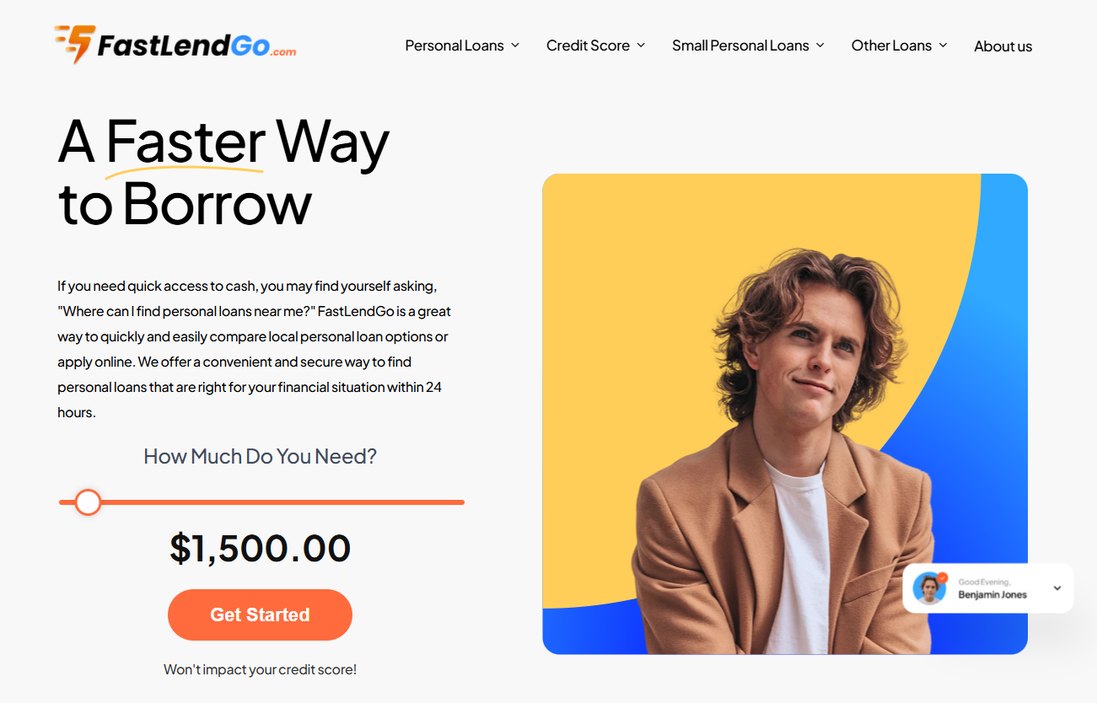
Navigating personal finance is tricky when your credit report is essentially a blank sheet of paper. FastLendGo works as a specialized partner for people in urgent situations. They offer a way to compare local options without the headache of traditional banking hurdles. Their platform acts as a marketplace, connecting you with lenders more willing to look at income stability rather than just a lack of history.
This lender is a good fit if you need specific amounts, like $500 for a quick emergency or $5,000 for a larger project. They cater to many different credit profiles, so you won’t be automatically disqualified because your score is still growing. This makes them a resource for “life happens” moments, like a sudden car repair or an unexpected medical bill.
Pros:
- Covers various needs from dental to auto repairs.
- Offers options for different credit tiers, including bad and fair credit.
- Provides a fast way to compare multiple local options online.
Cons:
- Focuses heavily on speed, which might mean higher interest rates.
2. Commerce Bank
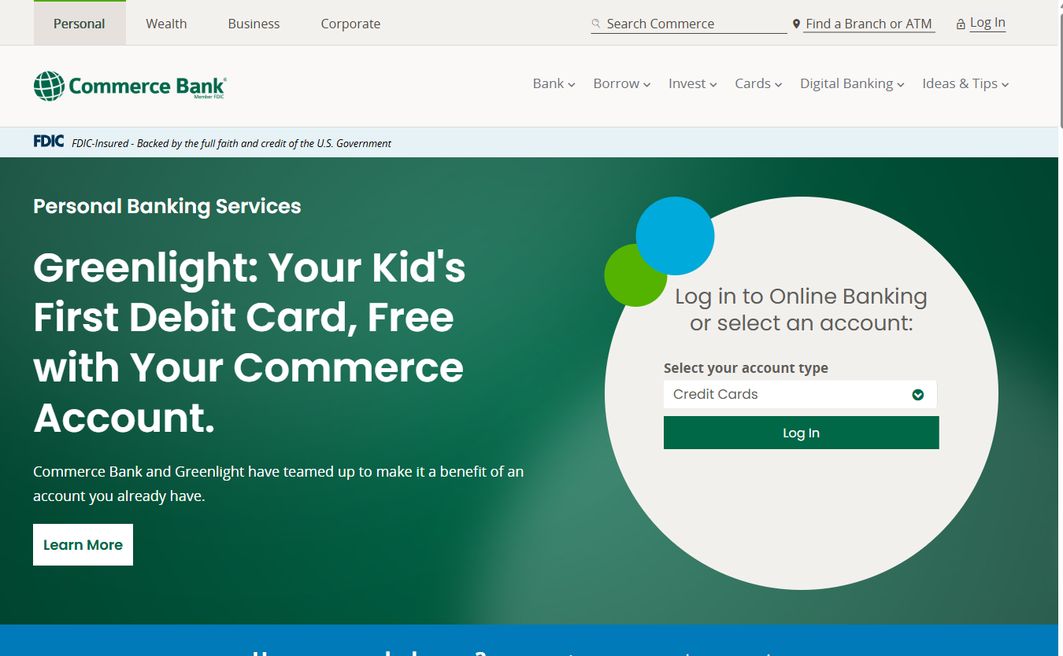
If you want a traditional, established banking relationship, Commerce Bank offers a wide suite of services. This isn’t just a spot for quick loans. It is a full-service institution handling everything from basic checking to complex mortgages. Because they are a large, established entity, they provide a sense of stability often missing from the fintech or payday loan space.
They offer unique features like Greenlight, which helps families manage money through specialized debit cards for children. This is a smart move for young adults or parents wanting to teach financial literacy early. It makes them a strong choice for someone building a long-term foundation rather than just solving a single cash shortage.
By opening a simple savings or checking account here, you start building the “history” required for lower-interest loans later. It is a long-term play for anyone serious about their financial health.
Pros:
- Full-service banking with FDIC insurance.
- Integration with tools like Greenlight for family education.
- Diverse range of products from savings to wealth management.
Cons:
- Traditional requirements may be tough for those with zero history.
3. Michigan Schools and Colleges Credit Union
Credit unions can feel like a hidden gem for people turned away by national banks. Because they are member-owned cooperatives, their goal isn’t to maximize profits for shareholders. They exist to serve their members. This business model often leads to more empathetic lending for people in transitional financial phases.
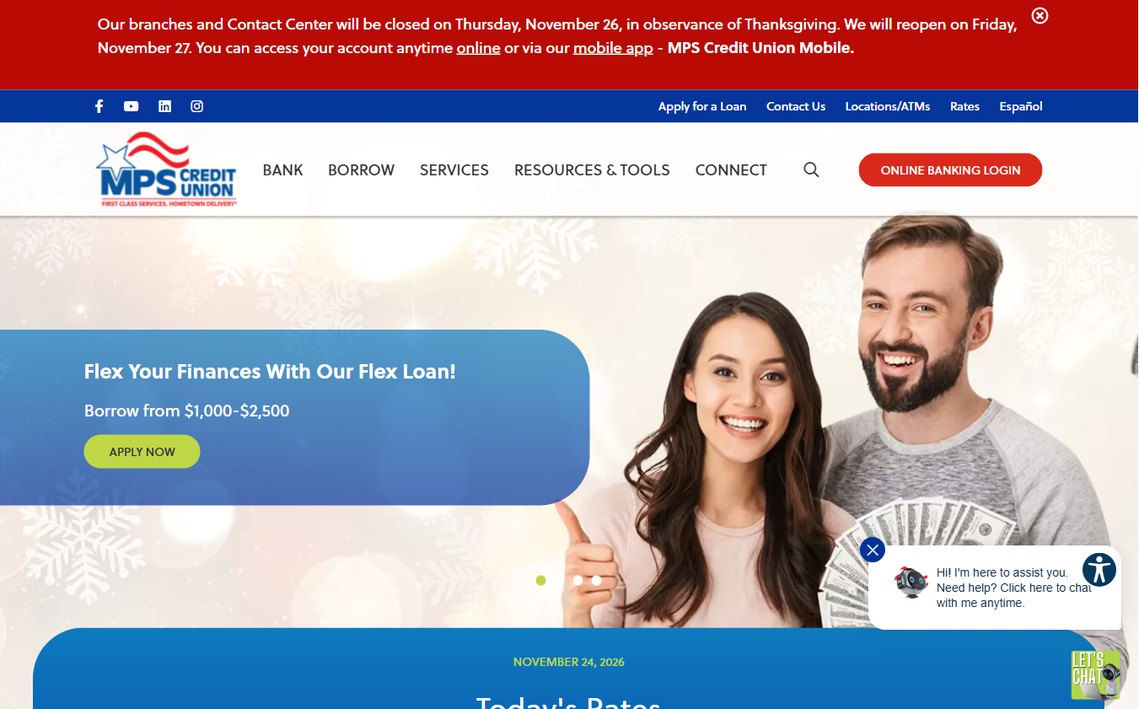
Michigan Schools and Colleges Credit Union offers a “Flex Loan” designed to help you manage finances with more agility. This product works well for the “bridge” borrower who has income coming next month but needs liquid cash today. Their rates are quite competitive, with some APRs starting as low as 3.49% for certain products.
This is an excellent option for members wanting to borrow smaller amounts, specifically between $1,000 and $2,500. It helps cover unexpected expenses while keeping the cost of capital relatively low.
Pros:
- Highly competitive APRs on various loan types.
- Flexible “Flex Loan” options for smaller needs.
- Member-focused service model.
Cons:
- Membership requirements may limit who can apply.
4. First Tech Federal Credit Union
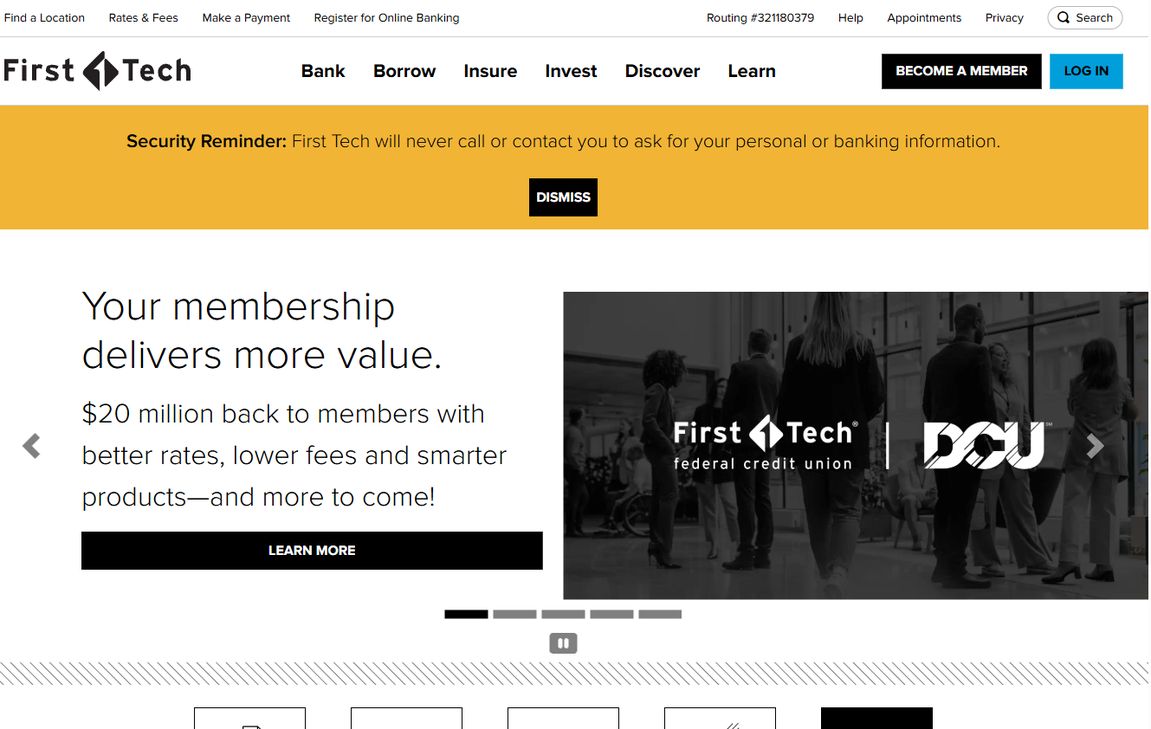
First Tech stands out by targeting the tech community, offering a level of sophistication many lenders lack. They focus on the financial well-being of their members, reinvesting millions back into the community through better rates and lower fees. This specialization often results in superior digital tools for managing debt and savings on a mobile device.
If you want a lender that understands a modern, digital-first lifestyle, this is a strong contender. They offer everything from auto loans to credit cards, making them a one-stop shop for building a comprehensive financial profile. For a young professional in the tech sector, using First Tech for a first auto loan is a highly efficient way to build a high-tier credit score.
Pros:
- Strong focus on member value and low fees.
- Comprehensive range of products including home and auto loans.
- Tailored services for the technology-driven professional.
Cons:
- May require a specific professional or community connection for membership.
5. CreditNinja
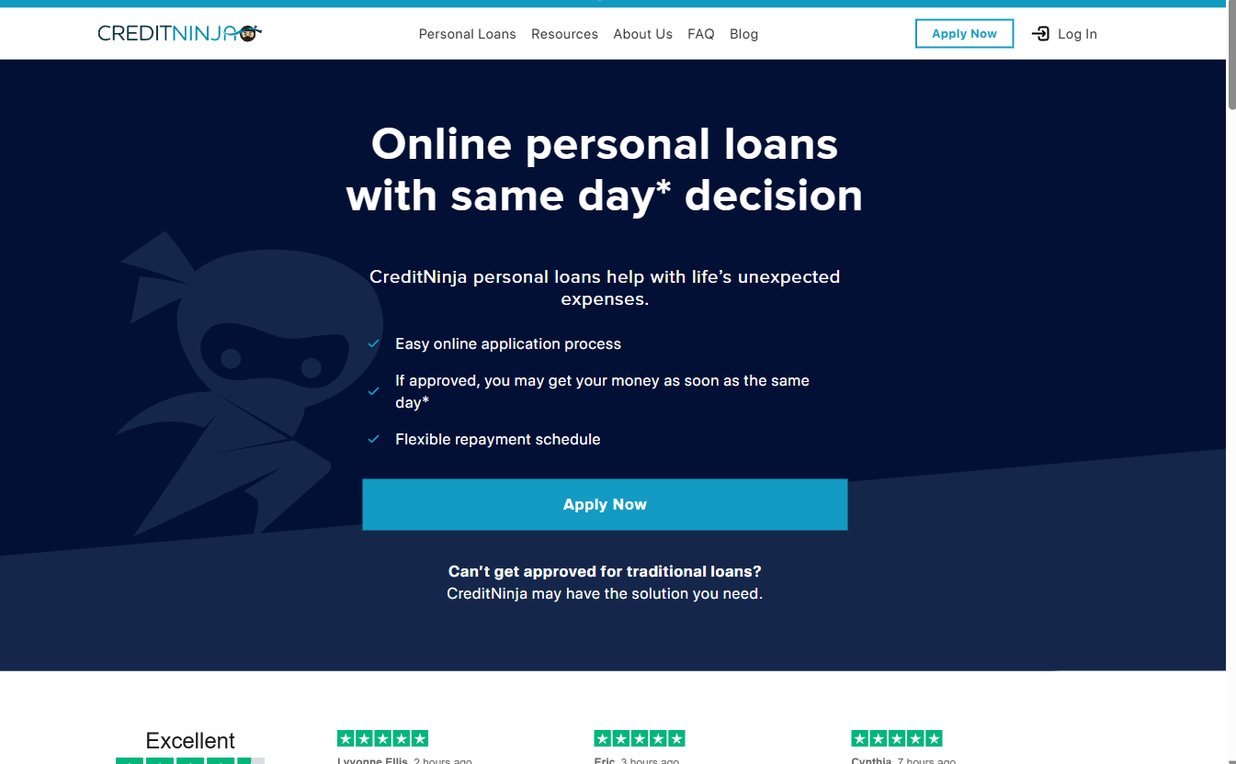
Sometimes, life throws a curveball that requires an immediate response. Traditional loan processes can move at a snail’s pace in those moments. CreditNinja is built for the person who needs to know where they stand right now, offering same-day decisions. Their model prioritizes speed and accessibility, connecting you to a network of lenders that value quick decisioning.
The simplicity of this service is its biggest advantage. The application is fast and does not rely solely on a credit score. This makes it a vital tool for those who might struggle to find approval elsewhere but need to handle an urgent home repair or car maintenance issue.
Think of it as a “triage” tool for your finances. It is incredibly useful in a moment of crisis, but it is not meant to be a permanent lifestyle choice.
Pros:
- Extremely fast decision-making process.
- Does not rely exclusively on a credit score for eligibility.
- Simple, user-friendly online application.
Cons:
- Speed and ease of use can sometimes lead to higher costs.
Avoiding Common Lending Pitfalls
Before you sign anything, take a breath and look at the fine print. A common mistake for first-time borrowers is focusing only on the monthly payment. A low monthly amount looks great, but it often hides a much longer term. A $1,000 loan with a $50 monthly payment sounds manageable, but if that loan lasts 36 months, you are paying back much more than you originally borrowed. Always do the math on the total repayment amount.
Always check the APR, not just the interest rate. The APR includes the fees associated with the loan, giving you a much more honest picture of the true cost. In short-term lending, origination fees can be high and are often “baked into” the APR. If one lender offers a 15% interest rate and another offers 18% but has zero fees, the 18% option might actually be cheaper in the long run.
Avoid the “quick fix” mentality. While lenders like CreditNinja are great for emergencies, using high-speed, short-term loans to cover recurring lifestyle expenses is a recipe for a debt spiral. If you are using high-interest loans to pay for groceries or rent every month, you are just delaying a crisis. Use these tools for what they are intended: unexpected emergencies or necessary purchases that prevent a larger expense later.
Finally, remember that every “no” you receive is just a stepping stone toward a “yes.” If you are denied, ask why. Most lenders must provide an adverse action notice explaining the reasons. Use that feedback to improve your habits, perhaps by opening a secured credit card or a savings account. Building credit is a marathon, not a sprint, but the tools available today make the journey much easier to start.