
Fecha:
noviembre 25, 2026
 Uncategorized
The Top 5 Lenders for Christmas Loans for Bad Credit in 2026 Last updated: 2026-11-25 The holiday season often brings a sudden surge in unexpected expenses. Between the…

The Top 5 Lenders for Christmas Loans for Bad Credit in 2026
Last updated: 2026-11-25
The holiday season often brings a sudden surge in unexpected expenses. Between the cost of gifts, festive meals, and travel, many households find themselves feeling the pinch just when the decorations go up. When your budget is stretched thin, finding a way to bridge that gap without ruining your financial future is a delicate balancing act. A single unexpected car repair during a winter storm or a sudden spike in heating costs can quickly derail a carefully planned seasonal budget.
For those dealing with credit challenges, the search for emergency funds can feel overwhelming. It is crucial to distinguish between a quick fix that solves a problem and a high-interest trap that creates a new one. Borrowing to cover a necessity is very different from borrowing to fund a lifestyle upgrade. Understanding this distinction is the first step toward maintaining financial health. This list identifies various lending options available to those needing extra cash during the winter months, ranging from rapid-response digital tools to established institutional support.
- PaydayPeek
- JetzLoan
- Commerce Bank
- PNC Bank
- First Citizens Bank
How These Holiday Lending Options Were Evaluated
Evaluating lenders for short-term needs requires looking past the flashy advertisements. Speed of funding is a massive factor when a gift needs to be bought today, but the total cost of borrowing must stay front and center. A loan that arrives in an hour but costs a fortune in interest is a heavy burden to carry into January. For instance, comparing a 12-month personal loan with a 2-week payday loan is essential; while the latter is faster, the annualized percentage rate (APR) can be astronomically higher, making the effective cost of that “quick fix” much higher than a traditional loan.
The selection process focused on accessibility for those with less-than-perfect credit scores. This involves checking how quickly funds move from the lender to your bank account and what the minimum and maximum borrowing limits are. We analyzed the ease of the application process—specifically whether a borrower can complete everything on a mobile device while on the go—and the transparency of their fee structures. The goal is to highlight a spectrum of choices, from quick digital solutions to traditional banking services.
| Lender Name | Max Loan Amount | Funding Speed | Credit Impact | Best For |
|---|---|---|---|---|
| PaydayPeek | $5,000 | Immediate Decision | See site | Quick emergencies |
| JetzLoan | $50,000 | Within 24 hours | No hard pull | Comparison shopping |
| Commerce Bank | See site | See site | See site | Traditional banking |
| PNC Bank | See site | See site | See site | Managing daily spending |
| First Citizens Bank | See site | See site | See site | Long-term goals |
The Definitive Ranking of Holiday Lenders
1. PaydayPeek
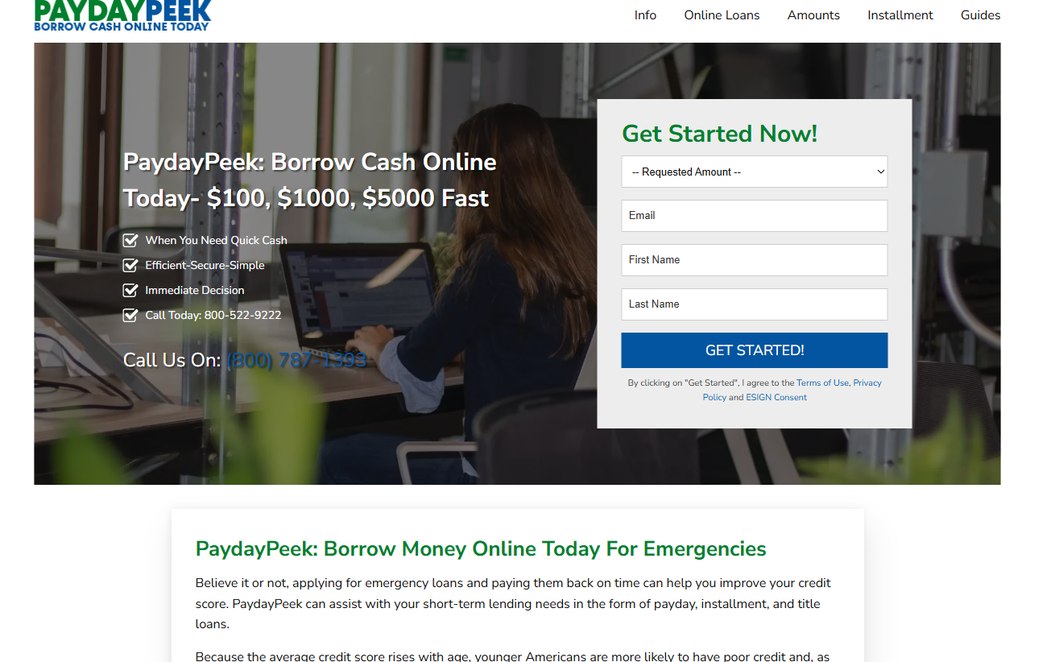
When the lights are twinkling and the bills are piling up, PaydayPeek offers a fast lane for those needing immediate cash. This service handles everything from small $100 boosts for an urgent grocery run to larger $5,000 requests for unexpected seasonal repairs. It is designed for those who need an immediate decision to navigate an urgent financial hiccup during the holidays. The application process is streamlined, often requiring only basic identification and bank account details, making it ideal for those who cannot wait for a multi-day approval process.
The platform caters to various needs through payday, installment, and even title loans. For example, an installment loan allows you to spread the repayment over several months, which can significantly lower the pressure on your January paycheck compared to a standard payday loan. Interestingly, using these short-term options and paying them back on time can actually help improve a credit score over time. This makes it a potential tool for younger Americans looking to build a financial foundation while managing current expenses, provided they use it strategically rather than as a recurring lifeline.
Pros:
- Immediate decisions for quick relief
- Loan amounts ranging from $100 to $5,000
- Can help improve credit scores if repaid on time
Cons:
- Higher risk associated with title loans
2. JetzLoan
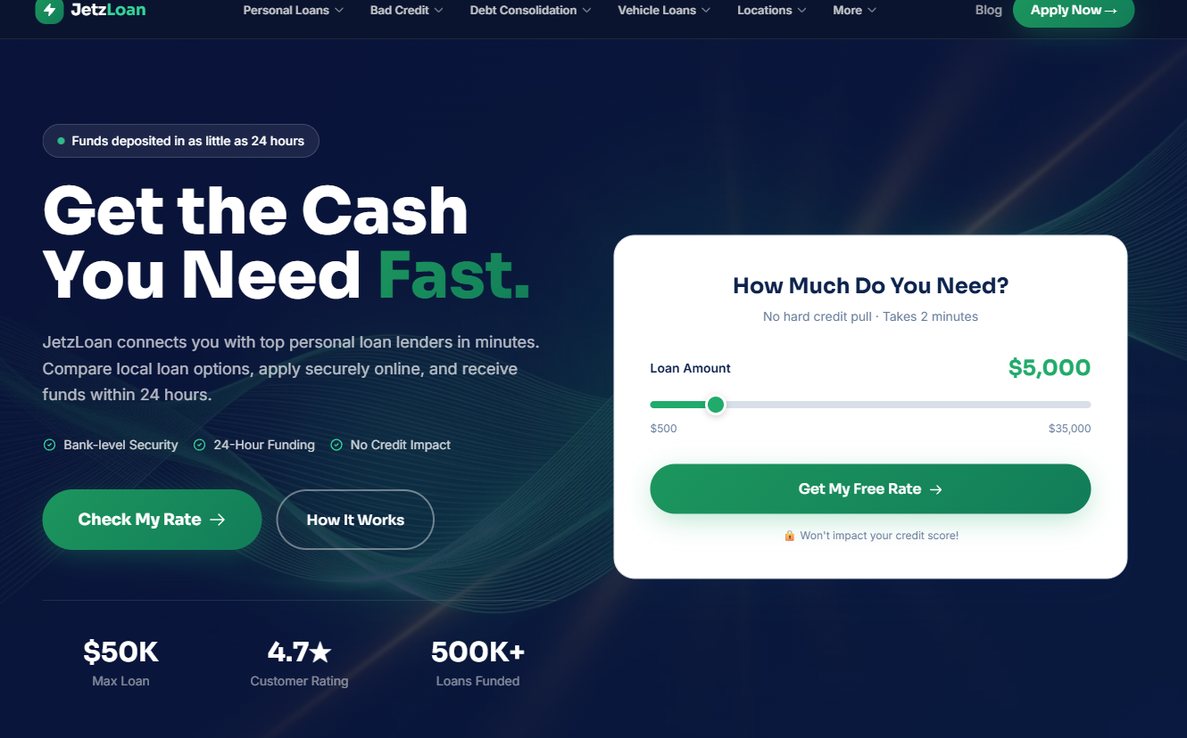
JetzLoan functions more like a high-speed connector than a single lender. It links borrowers with various personal loan providers in just a few minutes. This is ideal for someone who wants to see what they qualify for without the fear of a credit score drop during the initial check. By using a “soft pull” mechanism for the initial phase, JetzLoan allows you to shop around for the best interest rate and term length without the penalty of multiple hard inquiries on your credit report.
The platform boasts a high customer rating and has funded over 500,000 loans. With a maximum loan amount of $50,000, it provides a significant safety net for those looking to consolidate high-interest credit card debt incurred during the holiday shopping spree or cover large holiday expenses like last-minute flights. Funds are typically deposited into your account in as little as 24 hours, making it one of the most efficient ways to secure substantial capital quickly.
Pros:
- No hard credit pull for checking rates
- Extremely fast 24-hour funding
- High maximum loan limit of $50,000
Cons:
- Not a direct lender, but a connection service
3. Commerce Bank
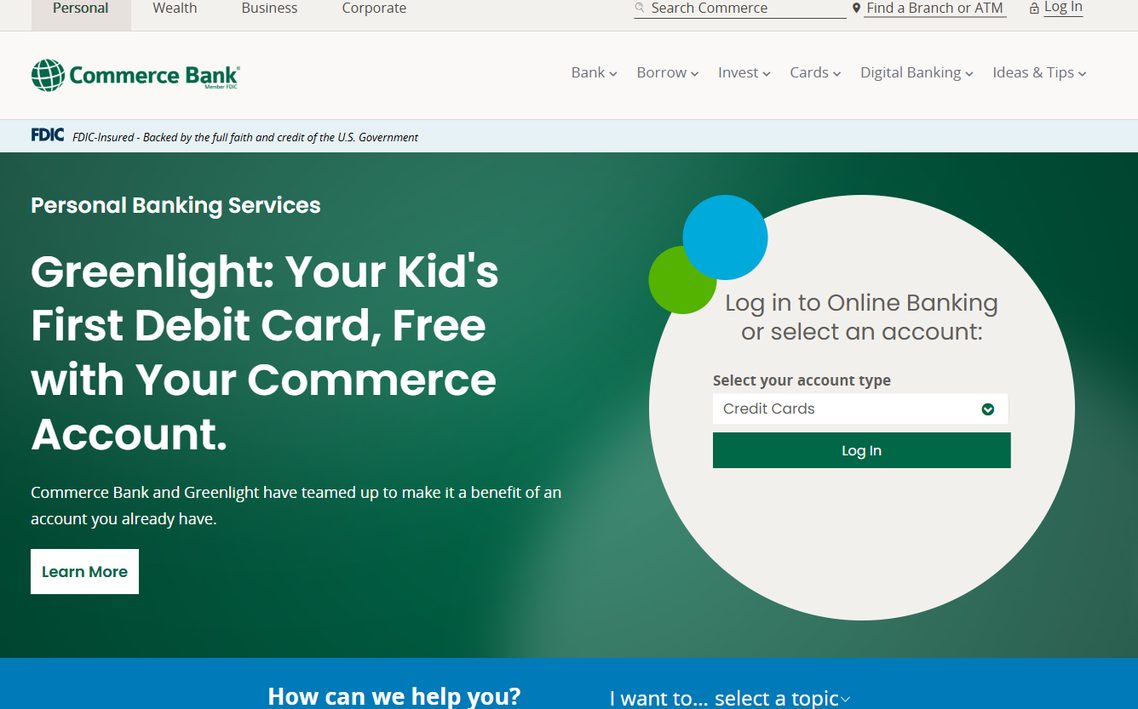
For those who prefer the stability of an established institution, Commerce Bank provides a suite of personal banking services. While they focus heavily on long-term wealth and checking accounts, their diverse product list includes various financing options. It is a solid choice for those seeking a traditional relationship where they can walk into a branch and speak to a representative face-to-face. This human element can be vital if you are negotiating terms for a larger loan or trying to explain a complex financial situation.
They offer specialized services like Greenlight for children and mortgage loans for homeowners. This makes them more of a lifetime banking partner than a quick-fix emergency lender. If you are looking to manage your essential spending while preparing for the future, this institution provides a structured environment. For instance, their mortgage products or long-term savings vehicles are designed to help you build equity and wealth, rather than just solving a temporary cash shortage.
Pros:
- FDIC-insured and highly secure
- Comprehensive range of financial products
- Offers specialized accounts for families
Cons:
- May have stricter credit requirements than specialized lenders
4. PNC Bank
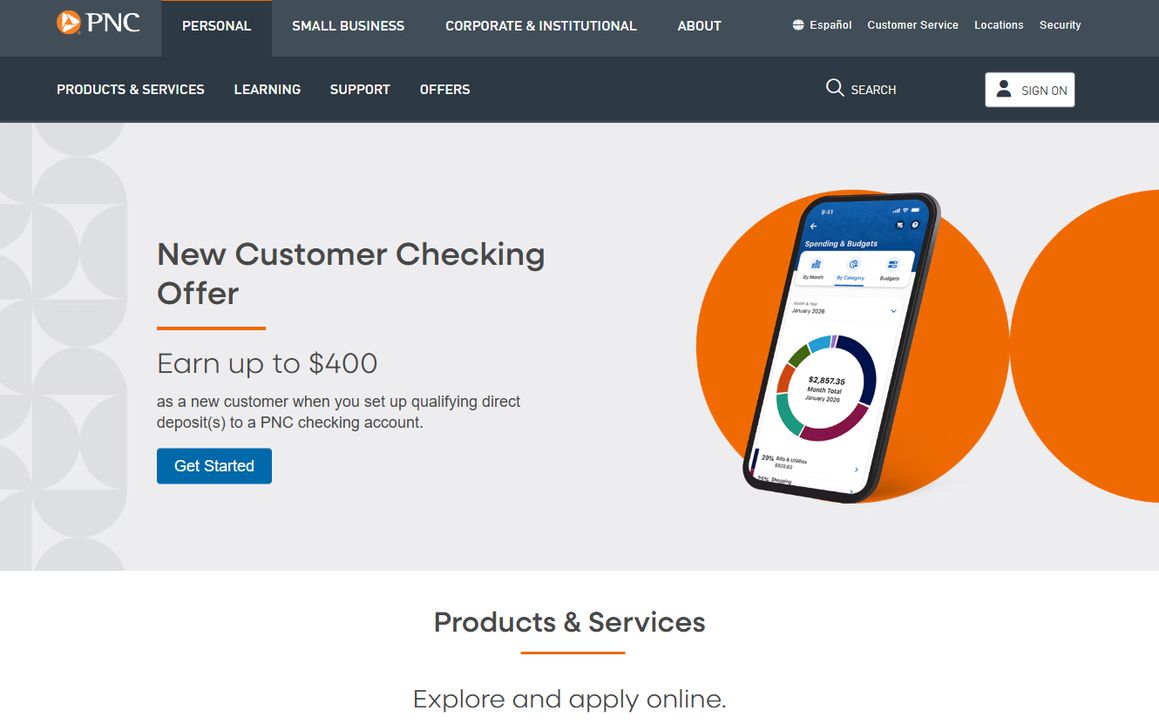
PNC Bank is a powerhouse for anyone looking to manage daily spending or tackle larger life surprises. They offer a wide variety of products including credit cards, savings, and auto loans. Their platform is built to help users stay on track with their financial goals through various tools, such as mobile banking features that allow you to track spending patterns in real-time. This level of visibility is crucial during the holidays when impulse purchases can quickly spiral out of control.
New customers can find incentives, such as cash offers for setting up direct deposits. This is a great option for those who want to consolidate debt or manage large purchases. For example, if you have multiple small balances on various retail cards, a single PNC personal loan could streamline your monthly payments. They provide a wealth of resources, from calculators to informative articles, to help navigate complex financial decisions, such as determining how much you can actually afford to borrow without impacting your monthly cash flow.
Pros:
- Extensive suite of personal banking products
- Helpful digital tools and calculators
- New customer incentives available
Cons:
- Traditional banking structures can be slow for instant holiday cash
5. First Citizens Bank

First Citizens Bank positions itself as a partner for every stage of a person’s financial journey. They focus heavily on helping people grow their savings and finance their long-term dreams. For those who are planning ahead rather than reacting to a sudden crisis, this is a premier option. They specialize in helping individuals transition from simply “getting by” to actively building a portfolio that can support retirement or homeownership.
They offer competitive rates on products like Certificates of Deposit (CDs), which can help earn a 4% annual percentage yield. This is a stark contrast to the high-interest debt often taken during the holidays; while a loan costs you money, a CD makes your money work for you. Their services are built for ambition, helping users manage money, save for goals, and invest for the future. It is a bank designed for stability and growth, making it the ideal destination for the money you have left over after the holiday expenses are settled.
Pros:
- Strong focus on long-term wealth building
- Competitive yields on certain savings products
- Robust support for various life stages
Cons:
- Less focused on immediate, short-term emergency lending
The True Cost of Borrowing
Before signing any paperwork, it is vital to look at the fine print. A loan might seem like a lifesaver on a Tuesday, but the interest rates can turn it into a nightmare by February. To understand the true cost, you must calculate the total interest paid over the life of the loan. For example, a $1,000 loan at a 15% interest rate sounds manageable, but if you only make minimum payments over three years, you could end up paying back nearly $1,500. Always ask about the APR (Annual Percentage Rate), as this includes both the interest and any mandatory fees required to close the loan.
Consider the difference between a “fixed-rate” and a “variable-rate” loan. A fixed-rate loan provides the security of knowing your monthly payment will never change, which is helpful for budgeting. A variable-rate loan might start lower, but if market interest rates rise, your monthly payment could increase unexpectedly, potentially causing a secondary financial crisis during the already difficult months of early spring.
Strategic Steps for Holiday Financial Management
Managing holiday finances requires more than just finding cash; it requires a tactical approach to how that cash is used and repaid. If you find yourself needing to borrow, follow these steps to minimize the impact on your long-term financial health:
- Audit Your Needs vs. Wants: Before applying for a loan, list every holiday expense. Categorize them into “needs” (essential gifts for children, necessary travel for family) and “wants” (luxury decorations, expensive gourmet food). If the borrowing is to cover “wants,” consider scaling back the festivities instead of taking on debt.
- Compare Multiple Offers: Even if you are in a hurry, use a service like JetzLoan to see multiple rates. A difference of just 5% in an interest rate can save you hundreds of dollars over the course of a year.
- Set an Automated Repayment Schedule: Once you receive your funds, set up automatic transfers to the lender. This ensures you never miss a payment, which is the single most important factor in protecting your credit score.
- Avoid “Double-Dipping” on Debt: Never use a new loan to pay off a credit card if the new loan has a higher interest rate. This is a common trap that leads to a “debt spiral” where the total amount owed grows exponentially despite your efforts to pay it off.
One common mistake is borrowing more than is absolutely necessary. It is tempting to grab an extra few hundred dollars while you are at it, but every dollar borrowed today is a dollar that must be paid back with interest tomorrow. Stick to your budget and only take what is essential for the season.
Another pitfall is ignoring the impact on your credit score. While some lenders allow for a “soft pull” to check rates, a “hard pull” can temporarily lower your score. If you plan on applying for a mortgage or a car loan soon, be very cautious about how many inquiries you trigger. Multiple hard inquiries within a short window can signal to other lenders that you are in financial distress, making it harder to secure favorable rates for your major life purchases.
Finally, always have a repayment plan in place before the money hits your account. The holiday rush can make it easy to forget that the money is borrowed, not earned. Setting up automatic payments can help ensure you stay on track and avoid late fees that only make your situation worse. By approaching holiday lending with a mindset of strategy rather than desperation, you can survive the season without compromising your future stability.