
Fecha:
noviembre 25, 2026
 Uncategorized
Top 5 Lenders for Personal Loans After Bankruptcy in 2026 Last updated: 2026-11-25 Trying to fix your finances after a bankruptcy discharge can feel like walking through a…

Top 5 Lenders for Personal Loans After Bankruptcy in 2026
Last updated: 2026-11-25
Trying to fix your finances after a bankruptcy discharge can feel like walking through a minefield without a map. Most big banks will turn up their noses the moment they see a recent filing on your credit report. They simply aren’t interested in the risk.
Fortunately, the 2026 lending market has changed. New paths exist for anyone looking to rebuild a fiscal reputation. Fintech companies have moved toward using alternative data, like how consistently you pay your rent or your utility bills, to decide who gets a loan. This makes it much easier to find capital even with a bruised credit history.
Finding the right lender isn’t about chasing flashy advertisements. It is about matching your actual needs with a provider that won’t just kick you to the curb. A person needing an urgent car repair to keep their job has different requirements than someone looking for a five-year loan to stabilize their monthly cash flow.
This list focuses on accessibility and the reality of getting cash when your credit history isn’t perfect. We wanted to see who actually funds people in these situations, rather than just promising to do so.
- Max Cash
- FastLendGo
- Synchrony Bank
- Stonebridge Personal Loan
- Bank Iowa
How These Lenders Were Evaluated for High-Risk Borrowers
Judging lenders for those recovering from bankruptcy requires looking past the interest rates. The main thing we measured was the “barrier to entry.” We wanted to know if a lender’s application process actually accommodates people with credit blemishes, or if they just reject you after you’ve spent an hour filling out forms.
We looked closely at the “hard rejection” rate for anyone who filed Chapter 7 or Chapter 13 within the last 24 months. This ensures the names on this list actually offer utility to the people who need them most.
Speed and flexibility were the next big factors. When you’re rebuilding your life, waiting three weeks for a check is rarely an option. An unexpected medical bill or a broken water heater won’t wait for a traditional underwriting cycle to finish. We weighed the ability to get quick cash against the total cost of the debt.
We used a “Time to Funds” metric to track this. This measures the actual gap between the moment you sign the digital agreement and the moment that liquid cash hits your bank account. Every hour counts when you are managing a tight budget.
Comparison of Top Lenders for Rebuilding Credit
| Lender Name | Loan Amounts | Credit Requirements | Funding Speed | Special Features |
|---|---|---|---|---|
| Max Cash | $250 – $10,000+ | Bad Credit/Title Loans | In Minutes | Multiple loan types |
| FastLendGo | $500 – $5,000+ | Bad Credit/No Credit | Quick Access | State-specific options |
| Synchrony Bank | See site | See site | See site | Secured Loan options |
| Stonebridge Personal Loan | See site | All Credit Backgrounds | Same Day Funding | Soft pull inquiry |
| Bank Iowa | See site | See site | See site | Hometown banking |
Strategic Approaches to Rebuilding Credit Post-Discharge
Knowing which credit products to use is vital if you want to emerge from bankruptcy with a stronger financial foundation. Not all debt is created equal. The way you handle it can either speed up your recovery or sink you right back into insolvency.
Secured vs. Unsecured Debt
If your score is stuck in the 500s or 600s, unsecured loans—those without collateral—are hard to find. Even if you find one, the interest rates can be predatory. This is where secured loans come in to save the day. These are backed by an asset like a car or a savings account.
If you can’t pay, the lender has a claim to that asset. Because their risk is lower, they are often much more willing to work with someone who has a bankruptcy on their record. A secured credit card is the easiest way to start. You provide a deposit that acts as your limit, and as you use it and pay it off, you build a positive history that shows up on your reports.
The Role of Debt Consolidation in Recovery
If you finished your bankruptcy but still have high-interest debt or new credit card balances, consolidation can be a smart move. The idea is to take several high-interest payments and roll them into one single, lower-interest installment loan. It simplifies your life by giving you one due date to remember.
It can also help your credit utilization ratio. Converting revolving debt, like credit cards, into installment debt, like a personal loan, looks better to the bureaus. Just be careful. This only works if you have the discipline to stop using those old credit cards once they are paid off. Otherwise, you are just doubling your problems.
The 2026 Ranking of Best Lenders for Post-Bankruptcy Borrowers
1. Max Cash
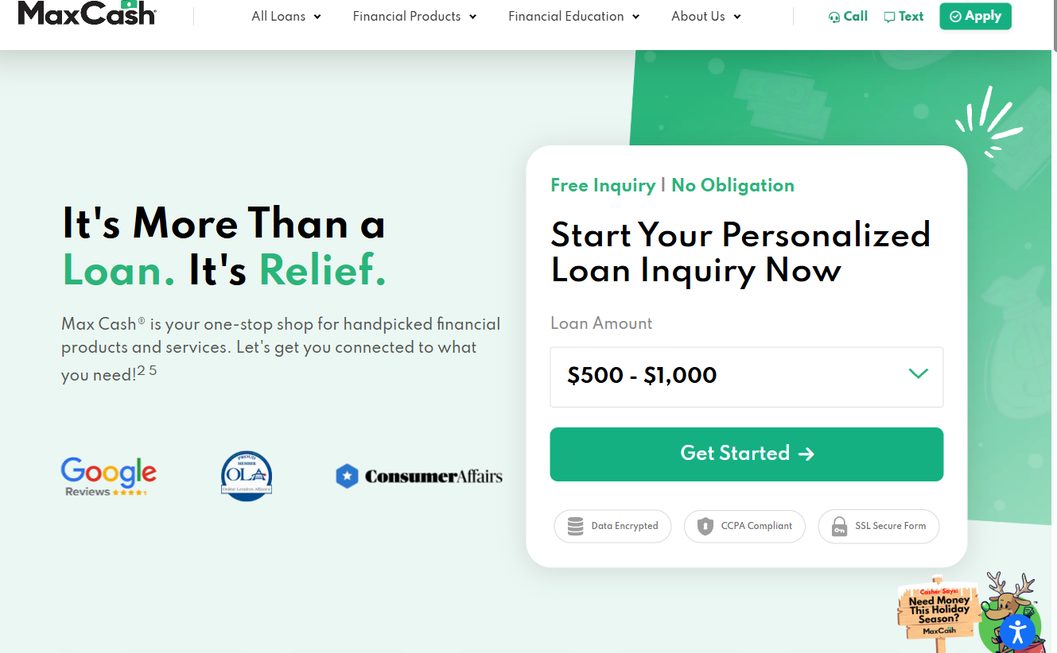
Max Cash works like a versatile toolkit for people facing immediate money problems. They offer a wide range of products, from small cash advances to larger installment loans. It is a one-stop shop for anyone needing quick relief without a long wait.
This lender is a good fit if speed is your top priority. Whether it is a tiny amount for an emergency or a larger sum for a big life event, their system moves fast. They cater to all sorts of credit scores, including those with bad credit. If you are in a pinch and need to cover a gap before your next paycheck, their rapid approval is a major plus.
Pros:
- Extremely fast processing, often providing decisions within minutes.
- Loan amounts range from $250 up to $10,000 or more.
- Offers diverse products like title loans and car financing.
Cons:
- High-speed lending can come with much higher interest rates than a standard bank.
2. FastLendGo
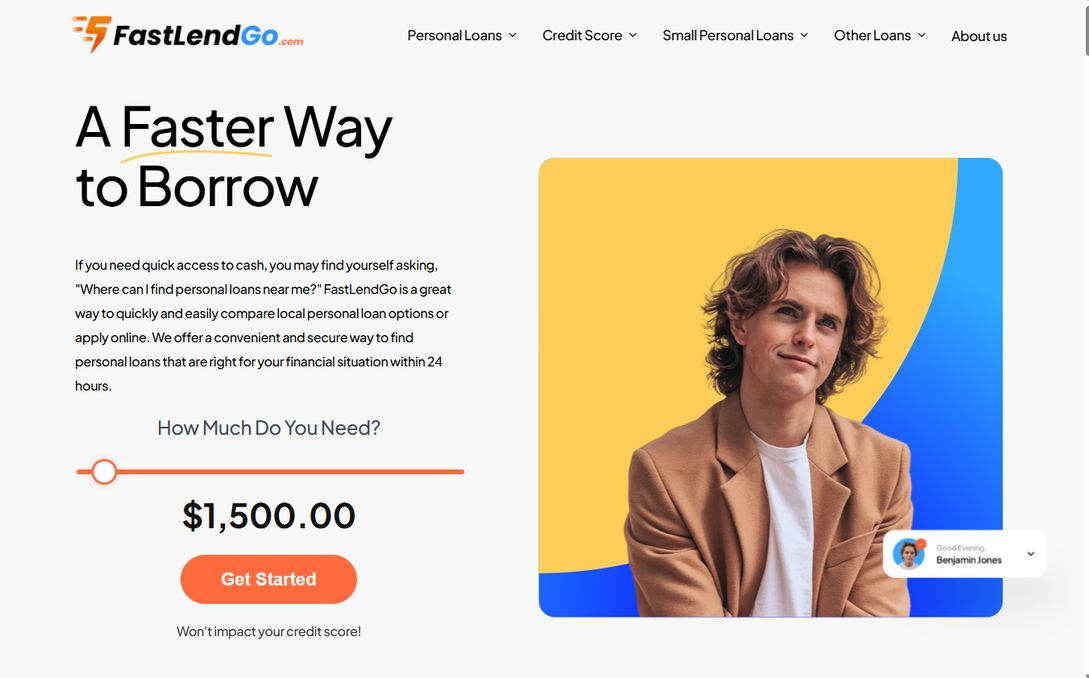
FastLendGo acts as a digital bridge for borrowers who aren’t sure where to turn for local help. They specialize in letting you compare different options without the headache of visiting five different physical branches. Their platform is great for people with no credit or bad credit history. They act as an aggregator, pointing you toward lenders that actually handle high-risk profiles. (fastlendgo.com)
They offer financing for very specific needs, such as auto repairs, dental work, or roof repairs. This targeted approach is perfect if you need money for a specific task rather than just general cash. They operate in several states, so they are accessible to much of the US population.
Pros:
- Specialized loans for dental or auto repair.
- Options available for first-time borrowers with no credit.
- Easy online comparison of local loan options.
Cons:
- Availability is limited to specific states like CA, FL, and TX.
3. Synchrony Bank
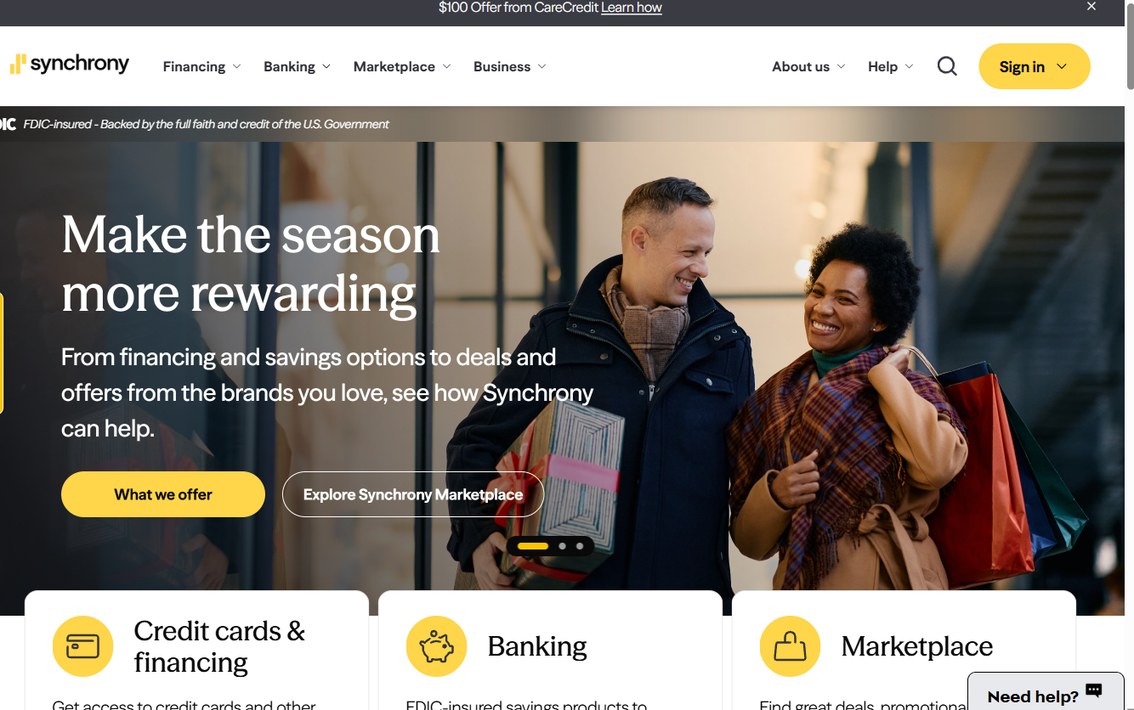
Synchrony Bank operates quite differently from the quick-cash lenders. They focus on specialized financing and marketplace options. As a massive, FDIC-insured institution, they provide a level of stability that some people prefer when they are trying to stabilize their lives.
For someone coming out of bankruptcy, Synchrony is often most useful through secured loan options or retail credit. These can be powerful tools for rebuilding because they are backed by collateral or specific goods. It is a more structured, long-term approach to financial health, which is great if you want to eventually apply for a mortgage.
Pros:
- Backed by the full faith and credit of the U.S. Government.
- Offers secured loans that are excellent for systematic credit rebuilding.
- Wide range of financing options through a massive marketplace.
Cons:
- It might be harder to qualify for their traditional unsecured credit cards.
4. Stonebridge Personal Loan
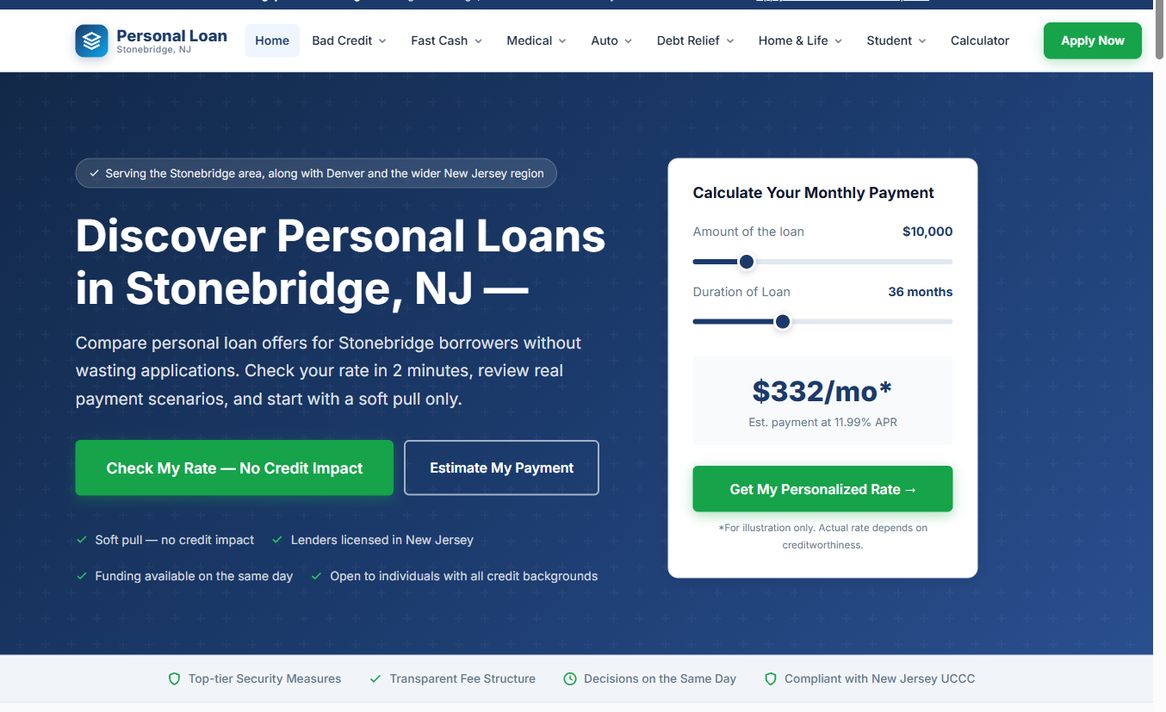
Stonebridge Personal Loan is a localized choice that focuses on being transparent and easy to use. They serve specific areas like New Jersey and Denver, offering a personal touch that is getting harder to find in the era of giant fintech companies. They are well-known for allowing you to check rates without hurting your credit score.
This is a great choice if you are worried about your score. Since they use a soft pull for initial estimates, you can see your potential monthly payments and interest rates without any risk. They are open to all credit backgrounds, making them a low-risk way to see how much you can actually borrow.
Pros:
- Soft pull inquiries mean no credit impact when checking rates.
- Same-day funding is available for certain qualified borrowers.
- Competitive rates starting from 5.99% APR for high-tier applicants.
Cons:
- Geographically limited to specific areas like the New Jersey/Denver corridor.
5. Bank Iowa
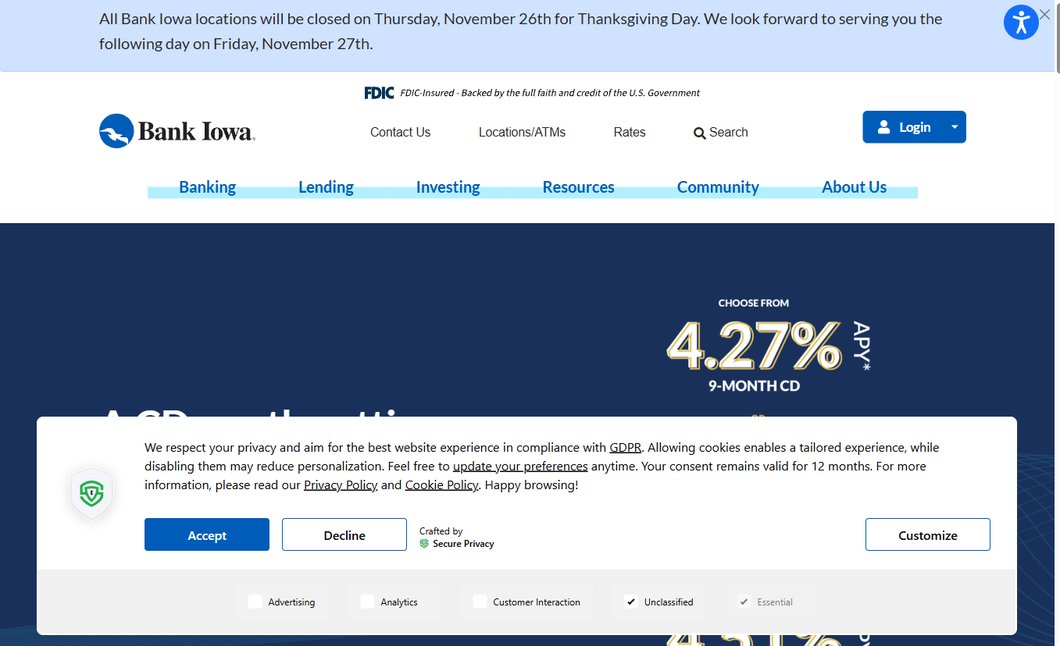
Bank Iowa is the “hometown” option. They focus heavily on community and building long-term relationships with their clients. For someone who has dealt with the stress of bankruptcy, having a local, stable bank can feel like a return to normalcy.
They offer everything from business banking to agricultural loans. While they might not move as fast as a digital-only lender, their focus on community makes them a reliable partner for long-term stability. They are a solid choice if you want to build a relationship that lasts through your entire recovery and beyond.
Pros:
- Strong community focus with 50 years of regional history.
- Comprehensive services including banking, lending, and investing.
- Modern digital tools paired with accessible customer service.
Cons:
- They may have stricter traditional requirements and slower approval times.
Navigating the Borrowing Process Without Making Mistakes
The biggest mistake people make after bankruptcy is rushing into the first offer they see. It is easy to feel relieved when you finally see an “approved” notice, especially after being denied everywhere else. But you have to read the fine print. Always look at the total cost of the loan—the total amount of interest you will pay over the whole life of the debt—not just the monthly payment.
A low monthly payment on a 72-month loan can end up costing you double your original principal in interest. Another pitfall is applying for too many loans at once. Even if a lender uses a soft pull for a quote, a formal application triggers a hard inquiry. Too many of these in a short time can damage your score further by making you look like you are in a financial crisis.
Take your time. Use comparison tools like the ones at FastLendGo and only move forward when you are certain about the terms. Finally, have a real plan for repayment. Borrowing to pay off other debt only works if the new loan has a lower interest rate and a manageable term. The goal is to reach financial independence, not to just trade one type of debt for another.